Author: Josh Tate

  • Living with Inflammatory Bowel Disease in Devon

    Raising awareness on World IBD Day

    People living with inflammatory bowel disease are being encouraged to speak more openly about the condition as part of World IBD Day on 19th May 2026.

    More than half a million people in the UK are living with conditions including Crohn’s Disease and Ulcerative Colitis.

    Ulcerative colitis affects the large bowel, while Crohn’s disease can affect any part of the digestive tract. Symptoms can include pain, fatigue, diarrhoea and bleeding.

    Jack Fitzwater, who plays for Exeter City Football club, said he was going to the toilet “30 to 40 times a day” before being diagnosed with Ulcerative Colitis.
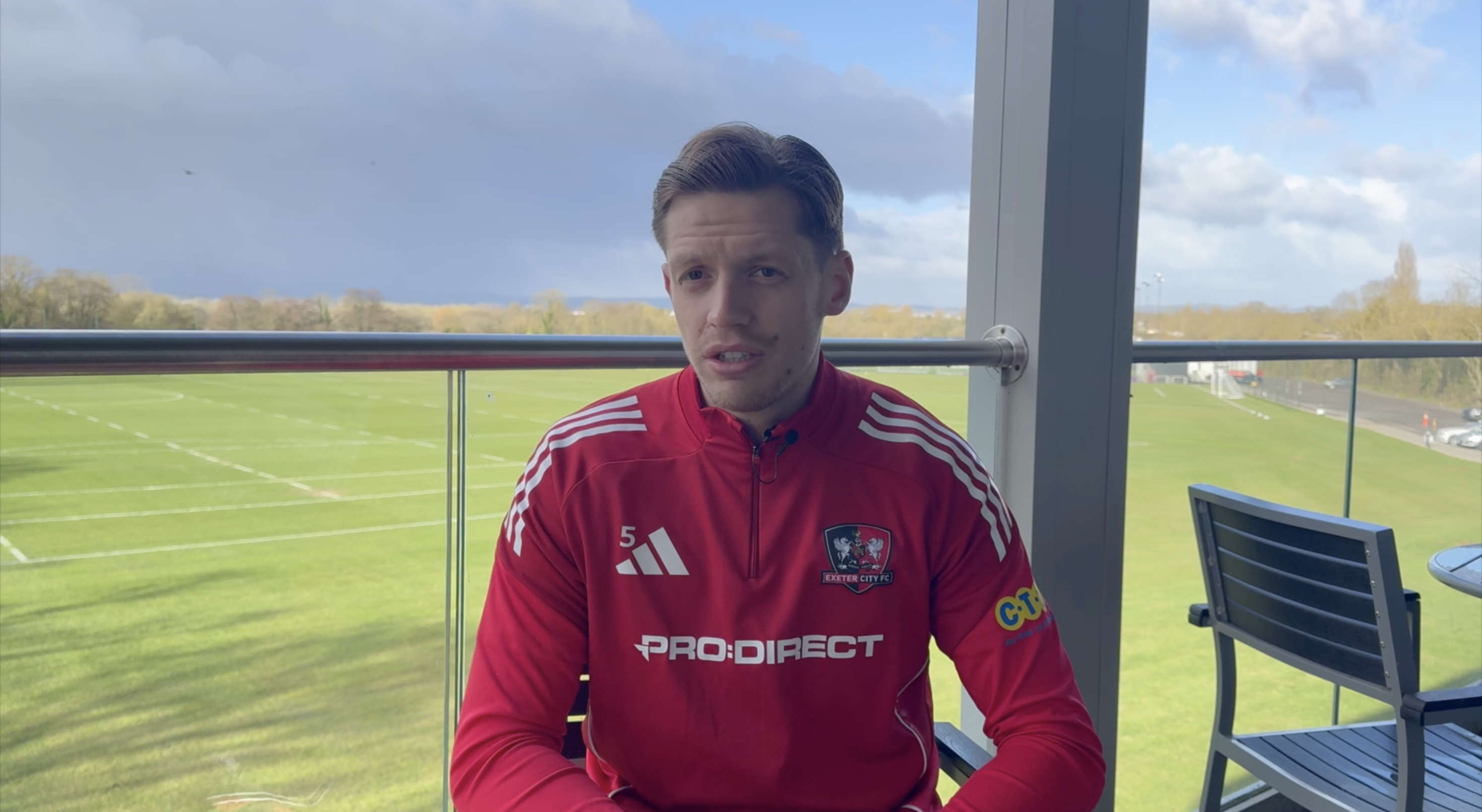
    The 28-year-old said he tried to carry on playing football while hiding how unwell he had become: “Trying to hide things was horrible”.

    “Mentally it was really tough as well as physically and it definitely affected the people around me as well. There were times I would stop at motorway services and sprint to toilets”.

    He added: “I looked really, really ill, my face was drawn in, I looked weak and I’d be rushing in and out of places trying to find toilets”.

    The defender for the now League Two side is supporting the ‘Know Your Sh*t’ campaign and the RAPID-IBD study, which is an initiative to improve diagnosis rates across Devon.

    Ellis Russell, from Honiton in East Devon, was diagnosed with Ulcerative colitis at the age of 19 after developing toxic megacolon, a serious complication which left doctors giving her a 20% chance of survival.
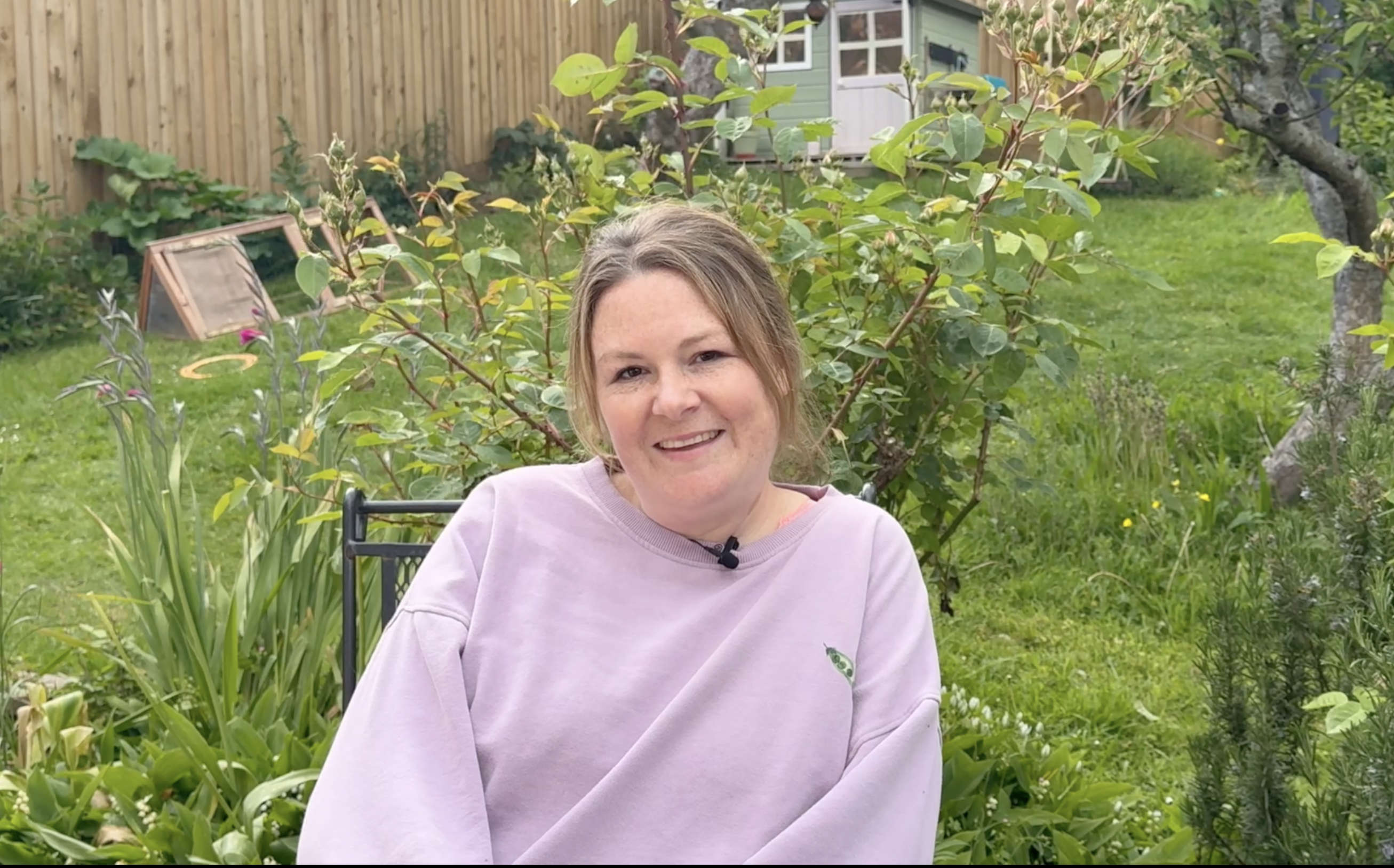
    She recalled the period before diagnosis: “By the end of September I could barely walk. I was really poorly and we still didn’t know what was wrong.”

    After emergency surgery, Ellis woke up with a stoma bag, which she later had reversed.

    “It saved my life,” she said. “It took a lot of getting used to but I was lucky.”

    Now, almost 20 years later, she said the condition still affects her daily life through fatigue and food intolerance: “I think chronic fatigue is a massive part of IBD – one day you can feel absolutely fine and the next day you’re not.”

    For 21-year-old Fin Glass, symptoms first appeared while he was at school.
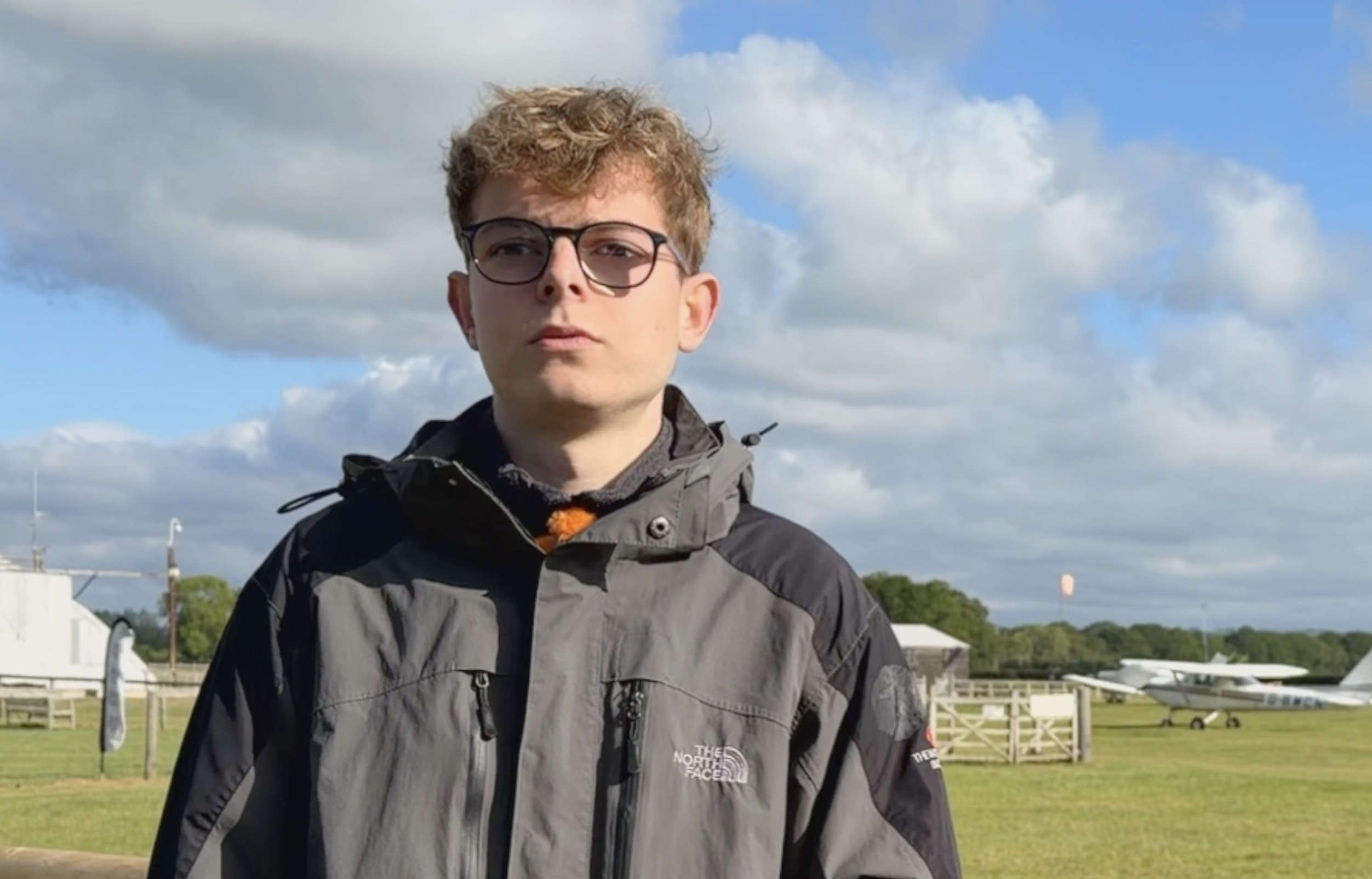
    The aspiring student pilot looked back at the early days of suffering from Ulcerative Colitis: “Everyone was outside having fun and I just had no energy, I was always on the toilet and I just couldn’t do anything really.”

    After years of aviation training and passing many of his pilot exams, he said flare-ups linked to IBD may now affect parts of his future career, “you create plans and then suddenly you can’t do anything.

    “You might have a really good period and then the symptoms come back again.”

    Researchers at the Royal Devon University Healthcare NHS Foundation Trust and the University of Exeter are working to improve diagnostic rates through the RAPID-IBD study, which offers free testing kits to people aged between 16 and 49 across Exeter postcodes.
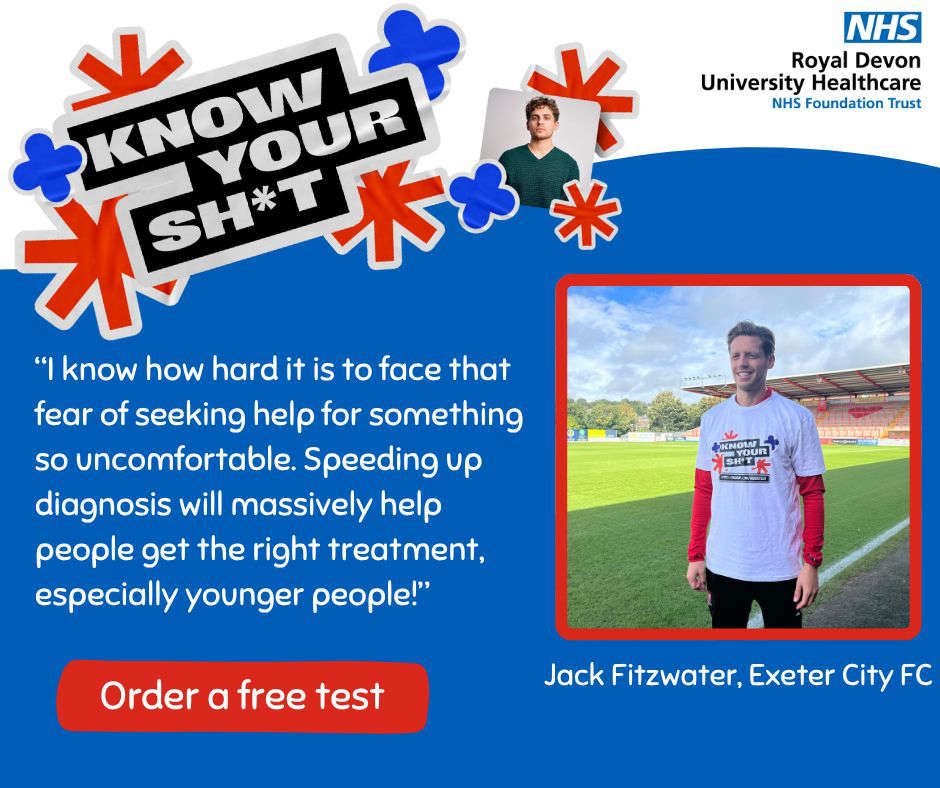
    (Image courtesy: Royal Devon University Healthcare NHS Trust)

    Doctors say many people delay seeking help because symptoms can feel embarrassing or difficult to talk about.

    Many campaigners hope greater awareness around Inflammatory Bowel Disease will encourage more people to recognise symptoms earlier and seek support sooner.
  • Teen’s mental health mission sparks national movement

    Connor Warren created Spark UK as a 14-year-old

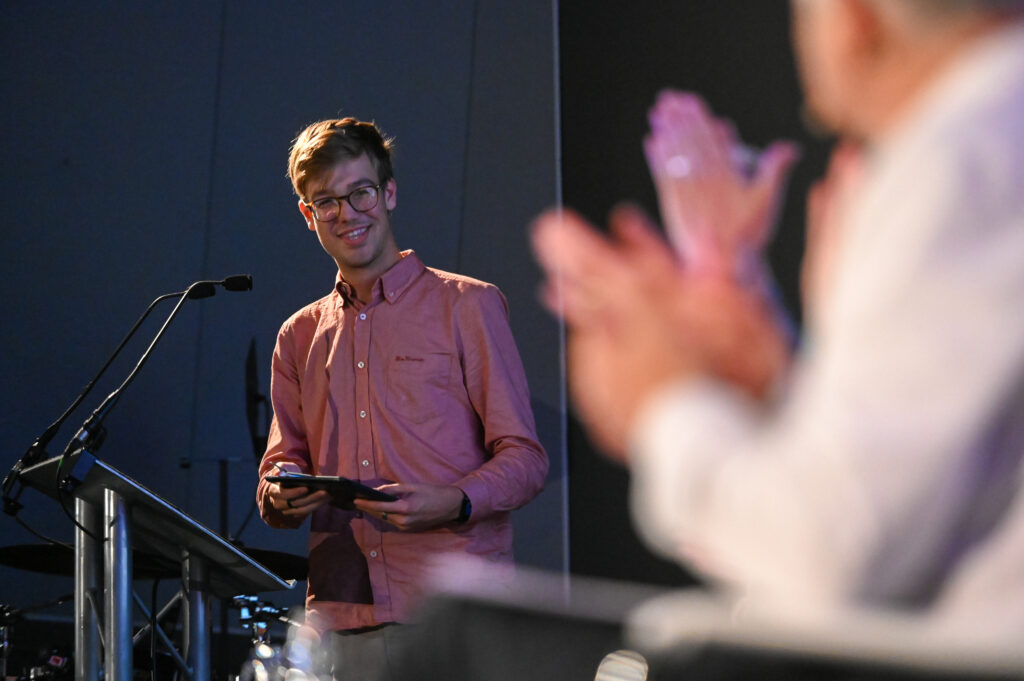
    Children’s Media Conference 2024 (image courtesy: Spark UK)

    A teenager has found himself at the forefront of youth mental health campaigning after a chance conversation with friends in a North Devon café sparked a national movement.

    Connor Warren turned his frustrations into action and founded Spark UK, which is a youth, led charity reaches thousands across the country – at the age of just 14.

    Over the past decade, the number of young people struggling with mental health issues has increased dramatically. According to NHS Digital data, in 2017, around one in nine children aged between five and 16 were likely to have a mental health disorder. But just six years and a global pandemic later, the figures surged to one in five.

    Emergency hospital admissions for children following covid rose by nearly two-thirds. Behind those statistics are said to be thousands of young people claiming to feel overwhelmed, anxious, and often unheard.

    The pressures on today’s youth are relentless: hours spent on social media, uncertainty about the future, academic stress, relationship struggles, constant comparison with influencers, and adjusting to a post-pandemic world. For many, the toll on mental health has been immense.

    At the same time, support services are reportedly struggling to meet demand. Between 2023 and 2024, more than 78,000 young people waited more than a year to receive NHS mental health treatment. Some children say they feel invisible and unsupported by the systems meant to help them. However, the Government has pledged over £1 billion to children’s social care services in the Chancellor’s spending review.

    But in the mist of dark figures and many people suffering, Connor Warren decided not to give up but to take action.

    After facing his own mental health battles, the now 19-year-old and a group of friends venting their frustrations about what they claimed the lack of relatable, accessible support for young people. Instead of waiting for someone else to fix it, they decided to do it themselves.

    Initially, Spark UK was little more than a side project. During the early days of the pandemic, the team launched a digital advent calendar full of daily self-care tips, cat videos, and anything that could lift spirits. But soon it became something much bigger.

    Spark UK now develops resources for schools, runs campaigns, and creates safe spaces for young people to talk openly about mental health. The group has even attracted support from major figures including Emma Thompson, Stephen Fry and Dame Judi Dench.

    @jtmedia.uk

    🎙️ Josh Tate sits down with Conor Warren, CEO of Spark UK, to talk youth mental health, creating change, and starting a movement from a café conversation 💬✨ Youthmentalhealth, SparkUK, #Mentalhealthawareness

    ♬ original sound – JTMedia – JTMedia

    Connor looks back at how the idea started: “We were joking about how, in an ideal world, celebrities would talk about mental health. There’d be resources made by young people, for young people. And then we just thought… why wait for an ideal world?”

    He said: “I was 14 when we started, we were building campaigns on my sofa, eating pizza, with no clue if anyone would care. For months, it felt like we were shouting into the void.”

    That all changed in October 2021, when Spark UK received national media coverage on The One Show and other outlets.

    Connor recalled what that moment was like: “I was sat in my bedroom refreshing my inbox every 30 seconds.

    “Watching the emails pour in, I realised this is real… we’re actually making an impact!”

    But the journey hasn’t been easy for the Devon teenager. Connor speaks about the emotional strain of leading a mental health charity while still dealing with his own struggles. “There’s a running joke in the charity world that we don’t always practise what we preach and it’s true.

    I had to learn the hard way about setting boundaries, saying no, and looking after myself.”

    The team are also building online communities for young people to connect, share, and support one another.

    He said: “It’s about normalising the conversation, showing that everyone has good days and bad days, and that’s okay.”

    When asked why youth voices are so essential in the mental health space, Connor doesn’t hesitate: “Because no one else knows what it’s like, we’re the generation that’s grown up with AI, social media, lockdowns. All these pressures that shape our mental health in new ways and older generations haven’t experienced that.”

    Connor is urging schools, families, and communities to “talk, you don’t have to be a mental health expert to care. Ask someone how they’re really doing and mean it. That small question can make a huge difference.”

    “I’ve learned that saying no is sometimes the bravest thing you can do, but saying yes to change, that’s how movements begin.”

    You can find the link to Spark UK here.